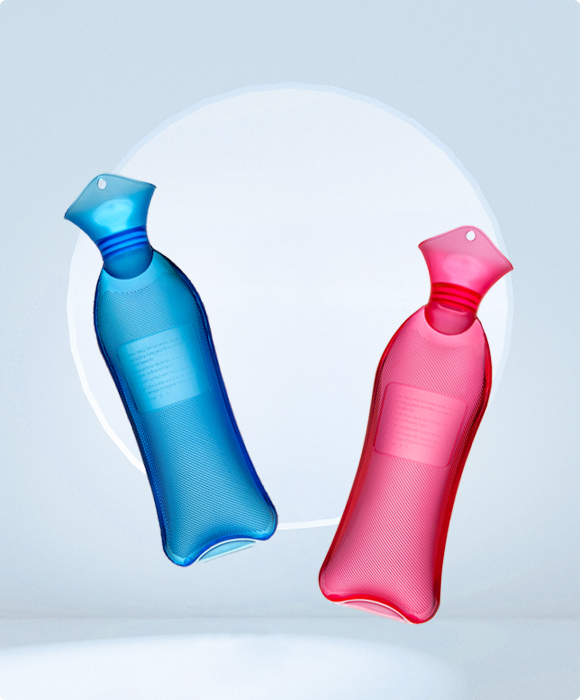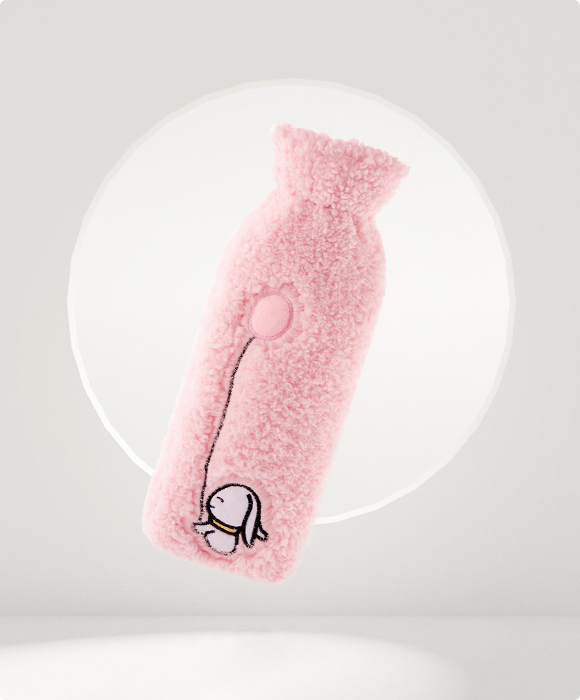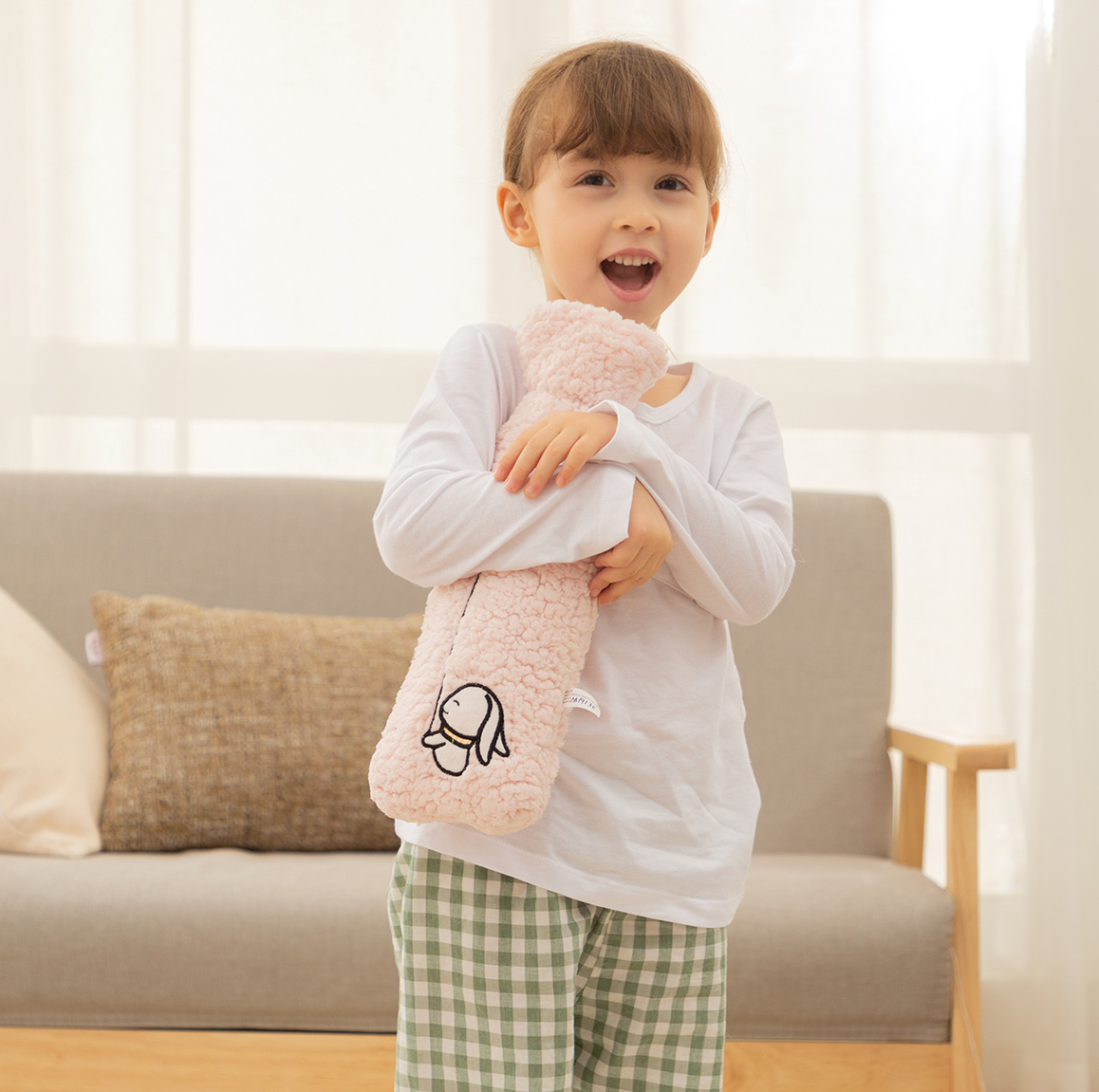
1.Introduction
2.Ensuring Your Hot Water Bottle Is Safe to Use
3.Check if Your Hot Water Bottle Is in Good Condition
4.Proper Usage Steps
5.Benefits of Using a Hot Water Bottle for Children
6.Supervise Children's Use of Hot Water Bottles
7.Conclusion
Introduction
Hot water bottles, a traditional tool for keeping warm, are popular among parents due to their portability and instant heat. However, are hot water bottles safe for children? In this blog, we will explore the guidelines for safe use of hot water bottles, assess their potential risks for children, and provide a series of precautions to ensure that while children enjoy the warmth, their safety is also maintained.
Ensuring Your Hot Water Bottle Is Safe to Use
·Check for Integrity
Visual Inspection: Examine the exterior for cracks, wear, or signs of damage.
Tactile Inspection: Feel the surface for any defects.
·Test for Seal Integrity
Stopper Rotation: Gently rotate the stopper to ensure it turns smoothly without leaking.
Pressure Test: Conduct a pressure test by filling the hot water bottle with a small amount of water to check for leaks.
·Check Material and Quality
Check the Material: Ensure the material is suitable for children and sensitive skin.
Brand Reputation: For reputable brands that typically have stricter quality control.
·Review Instructions
Read the User Manual: Carefully read and follow the guidelines provided in the product user manual.
Note Any Limitations: Pay attention to any warnings or usage restrictions in the user manual.
Check if Your Hot Water Bottle Is in Good Condition
1.Look for Date Markings: Check the production date and expiration date, and follow the manufacturer's recommended usage period.
2.Consider Storage Conditions: Take into account the storage conditions; prolonged exposure to high temperatures or sunlight may cause premature aging.
3.Evaluate Usage Time: Consider how frequently and how the hot water bottle has been used; frequent use and misuse can shorten its lifespan.
4.Notice Decline in Performance: Pay attention to any decline in the hot water bottle's heat retention, which may indicate material aging.
5.Adhere to Safety Standards: Familiarize yourself with current safety standards and guidelines to ensure the hot water bottle meets the latest safety requirements.
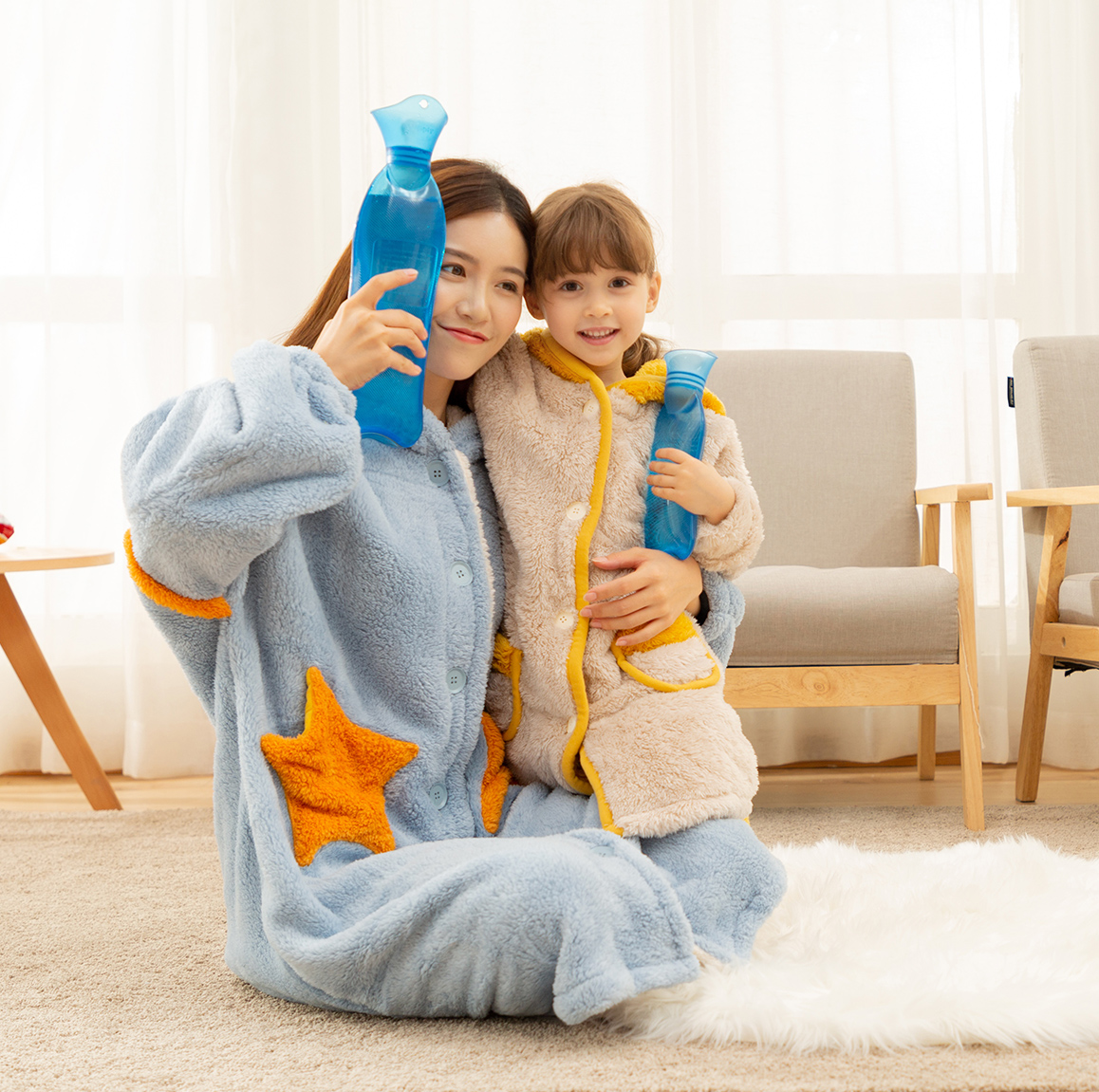
Proper Usage Steps
·Use Suitable Water Temperature: Fill the hot water bottle with warm water between 140-158°F(60-70°C), avoiding boiling water to reduce the risk of burns.
·Fill to the Correct Level: Do not fill the hot water bottle to the brim; leave space to allow for air displacement.
·Seal the Hot Water Bottle Properly: Ensure the stopper is tightly secured to prevent leaks.
·Use a Hot Water Bottle Cover: Wrap the hot water bottle in a cover or towel to reduce direct contact with heat.
Benefits of Using a Hot Water Bottle for Children
·Pain Relief: The warmth from a hot water bottle can help alleviate muscle pain or joint aches as children grow.
·Improved Sleep: The warmth can help relax the body and promote faster sleep in children.
·Immediate Comfort: A hot water bottle can provide immediate comfort for minor skin injuries or bruises.
·Alleviate Cold Symptoms: During a cold, a hot water bottle can help ease nasal congestion and sore throats.
·Reduce Anxiety and Stress: The warmth can help reduce anxiety and stress, offering a soothing effect.
Supervise Children's Use of Hot Water Bottles
·Educate and Guide: Teach children the correct way to use a hot water bottle, including not to place it directly on the skin to avoid burns.
·Choose Appropriate Products: Select a hot water bottle specifically designed for children, which may have safer materials and an easier-to-grip shape.
·Supervise the Filling Process: Demonstrate how to slowly and carefully fill hot water bottle, helping them understand the importance of this process.
·Monitor For Usage: Ensure children are within an adult's sight while using the hot water bottle to promptly address any issues.
·Limit Usage Time: Set a time limit for using the hot water bottle to prevent prolonged contact with the same area, which can cause low-temperature burns.
·Avoid Use During Sleep: It is not recommended for children to use a hot water bottle while sleeping, as they may accidentally squeeze it in their sleep.
·Check for Reactions After Use: After using the hot water bottle, check the child’s skin for any abnormal reactions, such as redness or discomfort.
·Establish Safety Rules: Create clear safety rules for children, such as not playing with the hot water bottle.
·Prepare for Emergencies: Be prepared with first aid measures for burns, such as rinsing with cold water, and know when to seek medical help.
Conclusion
While hot water bottles can provide warmth and comfort for children, parents must take appropriate precautions to ensure their safe use. With thorough understanding and proper use, parents can confidently incorporate hot water bottles as an auxiliary heating tool for their children during the winter